The Financialization of the Spectacle
Most people are dumbfounded by memecoins. How can a joke, a viral meme spread through social media turn into a traded “financial asset”? The idea or concept alone is ridiculous to many. Yet, memecoins are actively traded, with some people making a lot of money and others losing significantly (the majority lose). The fact that memecoins are actively traded and are viewed as a means to riches confuses people even more. There’s a sense of absurdity in the whole memecoin phenomenon.
The memecoin phenomenon can be explained in part by the growing appetite for gambling and speculation. Gambling, however, mostly hinges on an external outcome: sports gambling is based on the results of the game; poker is based on participating and playing a card game with others; speculating on financial assets is based the performance of the underlying business; tossing a coin or rolling dice is gambling based on participation in a game or on an outcome of a specific action. By contrast, gambling on memecoins is just gambling on the price of the memecoin itself, which is contingent or affected by the buying and selling of it. If people buy, the price goes up. If people sell, the price goes down. Technically, the outcome or event being gambled on is: "will people buy or sell the memecoin?", since if someone buys a memecoin, they probably believe that others will buy it, because the more people buy it, the more the price will go up. That, however, depends on the traders themselves, because they aren’t placing bets on a binary event outcome (a yes or no outcome), but are instead the ones buying or selling the memecoin themselves! What if four people alone have so much capital that they keep buying the memecoin from each other? Won’t that keep pushing its price up? As Matt Levine eloquently puts it, memecoins are self-referential (see Crypto Gambling section).
From this it follows that while the appetite for gambling and speculation fuels memecoin trading, the phenomenon goes beyond gambling. There’s something deeper behind it: What led people to accept memecoins as speculative gambling assets in the first place? What drives this phenomenon? How can the rise of memecoins be explained?
Approaching these questions through the lens of Guy Debord’s social critique presented in his book “The Society of the Spectacle” may provide some answers. It may show us that the rise of memecoins is just the financialization of The Spectacle.
To grasp what we mean by the financialization of The Spectacle, we first need to go over what The Spectacle is and provide examples of how it has developed, as well as how it shapes our perceptions, values, and judgments. After establishing a solid foundation for what we mean by The Spectacle and how it impacts us, we can then synthesize the discussion with memecoins.
The Spectacle
In “The Society of the Spectacle”, Debord talks about how genuine and authentic [1] experiences, interactions, use cases, and relationships, have been reduced to mere images, appearances, and representations. Those images, appearances, and representations are The Spectacle, which has become the focal point of almost everything we do and experience. The Spectacle, according to Debord, is the product of the growth and influence of mass media, the commodification of everything, the alienation of people, and consumer culture.
In terms of goods and services, for example, rather than being consumed for their use-value, The Spectacle makes them sought after and consumed for the mere image, appearance, or conception they represent or project.
A more concrete example will help explain this further:
Shoes are usually sold as items to be worn for the obvious reasons of wanting and needing a pair of shoes: protecting and supporting the feet, providing comfort, keeping the feet clean and healthy, and offering a form of aesthetic appeal and self‑expression. In this case, the need for shoes is pretty straightforward and obvious. It is a genuine and authentic need or want that drives the purchase of said pair of shoes.
In The Spectacle, the shoe is no longer viewed as an item to be worn and used for the obvious reasons mentioned; instead, it is viewed as an appearance and image that encompasses more than being a shoe serving the aforementioned functions. The image and appearance of the shoe become a driving force behind desiring a pair of shoes, as its image and appearance create an idea or representation beyond what it serves and aims to satisfy.
For example, a pair of shoes marketed as worn by a popular celebrity who someone likes and is seen as “cool” becomes the driving force of wanting to wear these shoes. The shoes now have an image of being tied to the popular celebrity and to being shoes worn by “cool” people, because their image and appearance evokes and exudes a feeling or conception of “coolness”. If I buy and wear these shoes, I’ll see myself as “cool”, and I’ll be perceived as “cool” by others, or at least that’s what I believe would be the case. This is just an example of shoes being “cool”, but shoes can be framed to have multiple appearances that represent a certain lifestyle, mode, emotion, and more: “Athletic”, “luxurious”, “sophisticated”, “artistic”, these adjective and modes are all appearances, representations, and images that a pair of shoes could be marketed to represent or project. In other words, this is The Spectacle of a pair shoes.
To be clear, when we say “appearance” we are referring to the shoe having an abstract conception or representation beyond the shoe itself with its associated use cases. Through mass media, the shoe turns into a symbol, status, or representation of some sort that is projected by it or inherent in it. The shoe is no longer just a shoe directly experienced for what it is, but it is conceived as an image or representation that resonates with the targeted consumer. It embodies or conveys certain attributes and characteristics beyond its physical form. This is what we mean by “appearance”.
It should be highlighted that the “appearance” of the shoe in this example isn’t about the aesthetic appearance or fashionable self-expression of the shoes. A shoe that holds aesthetic appeal might still be part of the genuine and valuable features of a shoe. Wearing a pair of shoes with a certain style can be an expression of oneself, an outlet of some sort, and can reflect someone’s personality. It is genuine and authentic to be able to express oneself through the choice of shoes worn. The Spectacle, however, isn’t about aesthetic and personal expression per se, but rather about the abstract appearance or conception of the shoe as it is conceived or accepted by manufactured consent. The shoe can be ugly to someone or may not express one’s taste and personality, but The Spectacle around the shoe being “cool”, “popular”, or “luxurious” become the overriding features of the shoe and takeover the aesthetic appeal or the fashionable expression of the shoe. The determining factor of desiring a pair of shoes becomes what the shoe represents as opposed to the aesthetic appeal and self-expression attributes of the pair of shoes. This is especially reflected in seasonal trends. One pair of shoe can be “cool” in the year 2024, but no longer “cool” in 2025. Seasonal trends behind fashionable items aren’t about aesthetic appeal and personal expression, but about the appearance and representation of fashionable items – The Spectacle of the fashionable item. Aesthetic and genuine fashionable self-expression are typically long-lasting, not seasonal or trendy. They are diverse, personal, and unique, not conformist and reached by manufactured consent.
To reiterate, it is the image and appearance of the shoes, or any other product, that become coveted. The Spectacle of products and goods is what drives desires and consumption as opposed their functional use or intimate experiential value.
Of course, The Spectacle isn’t only applicable to physical products as a pair of shoes. Experiences are part of The Spectacle. For example, traveling or tourism is sold in a way that can appear as an “adventure” or evoke a feeling of being “cultured”. There are many examples that could be provided here from the food, outdoor, and sport industries, but the point of The Spectacle and how it influences desires and consumption has been made clear.
The Spectacle Diffused
We explained The Spectacle in terms of goods and services, yet The Spectacle isn't limited to goods and services that are bought and sold. The Spectacle has been diffused into almost everything we do. It is diffused in the sense that its influence penetrates everyday life choices and behaviors.
"...In its own terms, the spectacle is an affirmation of appearances and an identification of all human social life with appearances" (Debord, The Society of The Spectacle)
An example will put this into perspective.
When a movie portrays relationships between characters in a certain way, or when a TV show depicts partners behaving and acting in a specific way, those traits and behaviors might shape perception of what relationships should look like or be. Those depictions may influence what people desire and seek in their own relationships, since the idea or appearance of what constitutes a "good" or "romantic" relationship is being consumed.
Just as the appearance and image of a shoe influences consumer behavior, the appearance or image of a relationship depicted via media influences what one wants from a relationship or how they want their relationship to appear. Accordingly, the image of relationships conveyed through media become perceived reality, influencing what is desired and valued. It even becomes natural for people to evaluate the health of relationships based on what they consume via media.
One can argue that emulating and adopting the behavior and demeanor of others is an innate attribute of humans. That is true. Children look up to their parents or immediate family and friends in their surroundings and emulate the behavior of people they look up to. Even adults may continue emulating the behavior of role-models in their lives. However, there is a significant difference between emulating role-models from immediate surroundings versus mimicking behaviors portrayed via a movie or TV show.
Interactions with role-models purely via media is detached, remote, and fragmented. The experience and relationship with the role-model is merely consumed. On the other hand, a child's relationship with her family or an adult's relationship with a role-model at work is immediate and authentic – there is active participation and interaction with said role-model. Character behavior depicted via media may be performative and filtered, while personalities and behaviors in personal circles and interactions are authentic, genuine, and unfiltered. Demeanors and contexts in media are portrayed in fragments and snapshots, while character traits and context from immediate experience and interaction are continuous and whole – the whole picture and context is provided as opposed to filtered, edited fragments that media cherry picks.
In any case, those remote, fragmented depictions of behaviors, relationships, and actions via media are consumed in a way that they start shaping our reality and identity. From our relationships example, the consumed appearance of what constitutes relationships starts mattering more than the unique potential attributes of our own relationships. Attention is redirected from authentic self-discovery of what it means to experience something to the appearance of experience or what experience should mean and be. Appearing and acting in a certain way starts mattering more than authentic behavior. In other words, The Spectacle matters most, not genuine behavior, experiences, relationships, and interactions. The Spectacle becomes what is sought after and becomes the basis of our actions and behaviors.
Of course, there are times when even people in immediate circles can filter themselves and be performative, but, overall, immediate interactions have a notable higher level of authenticity and there is always a level of active and live participation and involvement. There is also a limit to performative and filtered behavior through immediate, live interactions. Characters and behavior depicted via media, however, are purposefully edited and curated. That said, the main concern here is the vicious cycle that results from The Spectacle: if everyone is influenced and acting according to The Spectacle, then how can anyone be truly authentic?
Nonetheless, the point here is that The Spectacle is diffused in almost everything we do and is consumed via media channels as truth and reality to the point that it can influence behaviors, traits, and life choices. It can shape how we want our lives to look, how we view our lives, and how we perceive and judge others.
"What appears is good, what is good appears" (Debord, The Society of The Spectacle)
The Spectacle Amplified
Since the publication of The Society of the Spectacle in 1967, The Spectacle has been significantly amplified. This amplification is particularly evident in the rise and use of social media. In fact, Debord's argument seems to be more relevant today, given the ubiquity and profound impact of social media on our lives.
All the examples we've discussed previously apply to social media. What is striking, though, is that social media has allowed The Spectacle to be spread by anyone and everyone. The promotion of The Spectacle was limited to celebrities and other public figures who have access to media channels (movies, TV shows, commercials, etc.). With social media, this privileged and limited access to media platforms has been shattered, and everyone technically has access to publicize content, gain exposure, and promote themselves or what they want on social media. While celebrities and popular figures took advantage of social media and achieved greater influence, it also allowed for the rise of a new form of celebrity: the "influencer."
The rise of influencers is driven by the attention they garner on social media and the virality of their content. The more attention they get, the more followers they accumulate. The more followers and attention they garner, the more influence and exposure they have. The more influence and exposure they have, the more valued their content is, and, in a way, the more their followers want to be or act like them. Accordingly, their followers are more likely to purchase the products and services that the "influencers" use and showcase. Basically, the more followers consume the content of the "influencer," the more popular the "influencer" becomes and the more likely their followers are to be influenced by the content and perceive their lives through the lens of the influencer's social media content.
If the experiences or content that the influencer is depicting is authentic, then that is great and genuine. However, what if the experiences and content being posted on social media are performative, fragmented, curated, and manipulated? Wouldn't the influencer's fame stem from an inauthentic framing of who they are? Doesn't that mean the "influencer" has sold a Spectacle of their life to achieve popularity? Moreover, by gaining influence and having followers desire to emulate the influencer's actions and behaviors, won't they end up acting or wanting to appear as an inauthentic or fake image of that popular influencer? In other words, won't the followers be consuming and emulating the Spectacle of the "influencer"?
As discussed previously, what is portrayed via media is detached, remote, curated, and edited fragments. This certainly applies to social media as well. The follower's interactions with an influencer on social media are remote and based on edited, detached, cherry picked fragments of images that are filtered and manipulated for the sake of promoting a Spectacle. In this case, the influencer may be developing a Spectacle around themselves and their lives to appear and be viewed in a particular way for promotional basis and to acquire followers and attention.
What the influencer conveys, however, becomes valuable and sought after regardless of their authenticity, since the virality of The Spectacle is the guiding force. Consequently, behaviors, actions, daily experiences, desires, and more become driven, seen, and valued based on those cherry picked, remote, edited fragments of images and appearances conveyed and consumed on social media for promotional purposes. They are the portrayal and consumption of a person's life as The Spectacle.
Social media has made The Spectacle more of a reality and something that defines our lives and is more sought after, since appearances that are consumed on social media are viewed as more "real". They are viewed as more "real" because social media is a platform that gives the illusion that what is being displayed by celebrities and influencers is their true authentic self and life. It is supposed to be the closest way to get to connect and stay up-to-date with someone remotely.
Yet, as mentioned, social media isn't limited to popular figures such as celebrities and influencers. Anyone who has a social media profile is conveying themselves in some way to others. And, for the most part, the way people depict themselves on social media is by virtue of The Spectacle.
Take the following scenario:
A group of friends are hanging out at a bar on a Saturday night. Not much is happening; they sit silently, looking at their phones. Every now and then, they say something, but overall, it isn’t an eventful night. At one point, one of them pulls out their phone to take a group photo. They all pose and look like they are having a blast. After the photo is captured, they continue their boring evening. They post the group photo on social media, and people seeing the photo on social media start getting the impression that the group of friends are having a blast and a super fun eventful night. In reality, that was not the case at all. Nevertheless, the more attention the photo receives, the more it spreads, and the more "real" it becomes by virtue of The Spectacle.
This scenario is very common, and it is telling of how the world of appearances, The Spectacle, plays a central role in how we want to be viewed, how we view ourselves, and how we view others.
What's important to note is that social media makes us consume the curated appearances of other people's lives as they choose to depict and frame them. As we consume and covet the appearance of products and goods advertised to us through media platforms, the diffusion and amplification of The Spectacle drive us to perceive and portray ourselves and our lives similarly to how those products are depicted and marketed. The Spectacle is so ingrained in us that we project and "sell" images of ourselves as depictions of how we want to appear, and how we want to appear is driven by what we consume on media platforms. We reflect on our lives and depict ourselves in the same way the goods and services we consume are portrayed and marketed to us as appearances – as The Spectacle.
On Memes
With social media came the widespread use of memes. In the popular sense of the word, memes are easily shared images, videos, GIFs, phrases, or hashtags that are often humorous or satirical, but they don't always have to be. They go viral through social media and are supposed to be relatable and relevant.
Memes are often created from original and imaginative ideas, or from modified content, such as snapshots of a notable person doing or saying something, which transforms the incident into humor, satire, or social commentary.
Moreover, memes can become a common point of reference. If the meme is fabricated from imagination (e.g. an animated picture of a frog), the created image becomes a form of symbolism to something, be it an experience, interaction, feeling, reaction, or what have you. If the meme is based on a real-life event, it becomes an image referring to a popular person or incident that took place that may also represent an attitude, experience, situation, etc. In that sense, memes become a means to interact and identify with popular culture, niche interests, and socio-political circumstances, be it in a humorous and satirical way or in a serious manner. For example, some memes become symbols of political or social expression that convey a certain shared sentiment among people and different groups (How I became a meme in Nigeria). Furthermore, some memes form online communities, given their role as artifacts that represent certain niche interests, popular culture, and relatable, relevant issues and situations.
Nonetheless, memes are fueled by attention: the more attention a meme garners, the more viral and "real" it becomes (similar to how influencers go viral). While they may be relatable and funny, they provide humor from a remote and detached way: you aren't actively participating in the joke, you are just consuming it in the form of a visual image. An inside joke between friends is a form of direct engagement in a joke; witnessing an event that happened in your surrounding or directly in your presence is a form of participation; but consuming an image or a phrase that was fabricated remotely and spread via media is a way of consuming a joke from a detached distance, regardless if the meme is relatable or funny. Nevertheless, if the meme represents a situation in which someone has actually experienced and really relates to, then it can be argued that the meme is somewhat immediate, given what the meme represents.
Yet memes are also trendy and fashionable: A meme can be widely used in the year of 2024, but can be perceived as lame in the year of 2025 and can die out. A funny event that happened, say an inside joke, doesn't die out after a year or two later, it is lasting and remains relevant and in the memory of the participants; it is direct, immediate, and authentic.
It is also important to note that some memes are based on fragments of reality that are easily taken out of context. This allows for certain events to be depicted and shared in a way that doesn't convey the true nature of the event that occurred. It allows for a narrative to be fabricated out of a real world event that is taken out of context. For example, a snapshot of a politician saying a phrase with a certain facial expression taken in isolation could be interpreted in a different way than taking the whole context of the event that led to that phrase and facial expression. Memes capture and frame an isolated event and are curated and depicted in a way to gain attention and go viral, regardless of the authenticity of the captured incident.
It follows that while memes can be relatable, relavant, or genuinely funny, they are part of the world of appearances, The Spectacle. To a certain extent, we can say that memes are The Spectacle of jokes, culture, and social commentary. They commodified jokes and social commentary in the sense that they made them exchangeable and judged by "supply and demand" dynamics – the more attention a meme garners, the more "funny" or "real" it is considered, and the more viral it becomes.
In fact, memes capture or package The Spectacle of experiences, interactions, and relations that are diffused and amplified through media channels into a consolidated form or artifact. In other words, memes, to a certain extent, solidify The Spectacle. They make The Spectacle itself a packaged product that is supposed to represent something (human interactions, relations, experiences, etc.). This embodiment of The Spectacle allows The Spectacle itself to be consumed and shared between people as a "physical" good or item, albeit digitally. However, what it represents isn't a deep rooted cultural tradition or value per se, but a trendy, consumable, and curated event or situation.
To elaborate, the original meaning of the word meme is: "an idea, behavior, or style that spreads by means of imitation from person to person within a culture and often carries symbolic meaning representing a particular phenomenon or theme" (Meme). A meme, by this definition, can hold cultural ideas, values, and traditions that are passed and maintained through words, actions, rituals, or any method that can be imitated, and that typically take form through generations of cultural development and foundation. On the other hand, memes in the popular sense of the word capture, maintain, and pass along images, themes, and behaviors via social media that are trendy, consumable, remote, curated, and fragmented, as outlined above.
Recall we previously mentioned that imitation is a natural and innate feature of human beings, but we illustrated how immediate imitation through authentic and genuine interactions and experiences are different from mimicking curated content that is consumed through remote media channels; i.e through The Spectacle (see section on The Spectacle Diffused). With that distinction, we can see that memes in the popular, social media sense of the word further spread appearances or The Spectacle itself as opposed to authentic and deep rooted cultural traditions and behaviors that are shaped over generations of intimate interactions and experiences.
We should highlight that The Spectacle is already being shared and passed along via other means, but memes turn The Spectacle into a consolidated form or "object". The meme, in this sense, is an artifact that carries and spreads The Spectacle in its purest form. It captures the world of appearances and images, The Spectacle, in a literal image, appearance, or visual form that is spread and exchanged rapidly as it gains more attention.
To recap, as per the original meaning of the word "meme", rather than having cultural ideas and behavioral practices and traditions be spread through immediate, deep-rooted, long-lasting authentic interactions, rituals, and relations, the popular meme packages and spreads The Spectacle in a consumable image or visual form, which, as discussed, is remote, fragmented, trendy, and curated.
All this isn't to say that memes are necessarily "bad" or insignificant artifacts. There are memes that genuinely capture popular sentiments, such as relevant political or social concerns and attitudes, as mentioned above. The point here is that memes embody The Spectacle; they give form and shape to mediated appearances and allows them to be shared and consumed in a packaged, and somewhat tangible form. In other words, they package The Spectacle into an even more consumable form of content that are reinforced by the attention they capture and maintain, regardless of the substance of the meme.
The Spectacle Valued
There are a two related takeaways that must be highlighted before moving forward.
The first is that The Spectacle is being used to evaluate and value things. The consumption of things, experiences, and interactions as images and representations through media is what is driving our judgment of things and experiences, not the actual use of the item itself and not authentic experiences and interactions themselves. The more prominent The Spectacle of a certain thing is, or the more attention The Spectacle garners, the more valuable the thing or experience is believed to be. Evaluating a product, a relationship, a joke, or what have you becomes driven by The Spectacle of it or of its like.
Additionally, The Spectacle impacts how we evaluate and value ourselves. While Sara Asran doesn't mention The Spectacle in her article Identity in the Age of Connectivity, she lays out how consumption of appearances and images are playing a significant role in shaping people's identities.
The second takeaway is that due to the central role that The Spectacle plays in our evaluation and valuation of things and experiences, The Spectacle, or the appearance and image of things and experiences, has become valued more than the thing or experience itself.
Since we've come accustomed to evaluating and valuing everything through and from the lens of The Spectacle, we reached a point in which The Spectacle has become valued or valuable in and of itself. The Spectacle drives the value of things to the point that The Spectacle alone holds all the value and becomes what is sought after, regardless of the underlying item or experience. Basically, consumers come to value the appearance of a certain item or experience more than the thing or experience itself, and, as outlined earlier and will be expanded on later, this is embodied by the circulation of memes.
“The real consumer has become a consumer of illusions” (Debord, The Society of The Spectacle)
With these main takeaways, in particular the point on The Spectacle becoming valuable in and of itself, we can turn to how The Spectacle is used for monetization purposes and how The Spectacle itself has been financialized in the form of memecoins.
The Spectacle Monetized
There's no doubt that The Spectacle has been used for monetization purposes. In fact, one could argue that the impetus of The Spectacle has always been for monetization. The point of marketing and advertising, which have traditionally contributed the most to pushing The Spectacle, is to sell more goods and services for profit. Not to mention that marketing and advertisements are the main roots of the attention economy.
For example, marketing and advertisements for a pair of shoes contribute to the image and appearance of the shoe; in other words, to The Spectacle of the shoe (see section on The Spectacle). The main goal of pushing that Spectacle, in this case, is to make the shoe more appealing and to influence consumers to purchase the pair of shoes.The point of how The Spectacle is used for monetization purposes in this case is clear.
With the diffusion of The Spectacle, monetization does not need to be so explicit and direct as we see through marketing and advertising. The thing being sold doesn't even need to be the focus and highlight, it can just be in the background. The best example of this is how the tobacco industry partnered with Hollywood to get famous actors to smoke cigarettes in movies. The tobacco industry’s point with this move was to encourage people to start smoking by influencing them through celebrities and iconic movie characters who smoke on screen. This leads to more cigarette consumption by people, which in turn means more profits for the tobacco industry. This is a form of indirect monetization through The Spectacle, and shows the power of the diffusion of The Spectacle, as discussed previously in the section The Spectacle Diffused.
Moreover, with the amplification of The Spectacle through social media, we see influencers with a lot of followers getting sponsored by companies to promote their goods and services due to their reach and influence on social media. The monetization can be direct, as when an influencer explicitly markets a product or service they were paid to promote, or it can be indirect, as the example of the cigarettes above. Given the influence of The Spectacle, we also see that influencers using a good or service arbitrarily may affect public purchasing behavior. A great example of this is how the short-form content by the influencer Ashton Hall, in which he drinks and rinses his face with Saratoga water, led to increased consumption and sales of Saratoga water, even though Ashton Hall had no partnership or sponsorship agreements with the water company. With all that said, we can see that the amplification of The Spectacle has amplified the monetization of The Spectacle. Social media influencers are all about gaining attention through conveying a Spectacle, and the attention economy is all about monetization through capturing attention and projecting a Spectacle.
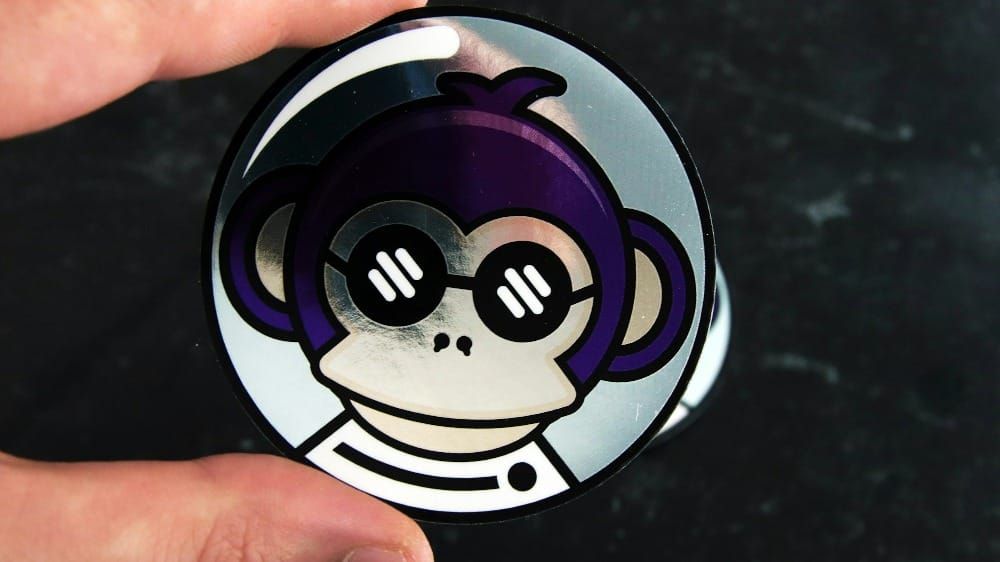
As for memes, they may be monetized similar to how things are monetized via social media as outlined in the previous paragraph. For example, the attention memes garner allow the meme creator or someone who publishes memes on their social media accounts or website to get paid from sponsors or ads as they gain more followers, similar as how an influencer would make money from their followers. Another potential monetization route of memes is through selling goods such as stickers and apparel that have a printed image of the meme. If a meme is popular, someone may be compelled to buy and wear a hoodie that has the image of the meme, or one may like to post the sticker of the meme on their laptop as they identify with said meme.
In all these cases, The Spectacle is able to affect purchasing decisions since it plays a significant role in our evaluation and valuation of things, impacting our judgment and social and economic behavior (see the section on The Spectacle Valued). To a certain extent, we also see that The Spectacle itself is valued since it is The Spectacle of an influencer, regardless of the item being used by the influencer, that can drive behavior. For example, in the case of Saratoga water, nothing was said about Saratoga itself; it was simply the Spectacle of the influencer that unintentionally made the water brand more popular. Similarly, it is the meme, The Spectacle in its purest form, that may drive someone to purchase a hoodie or sticker, since, in this case, they are buying the meme, or The Spectacle itself, as a representation or appearance of something or an idea they may identify with, align with, or find funny or satirical.
Nevertheless, while The Spectacle is being leveraged and is the focus, a certain good or service is being sold and consumed, be it directly or indirectly. The shoe is still a shoe. Water is still water. The hoodie is still a hoodie. All these items that might have been sold and purchased by influence of The Spectacle still have utility and use-cases. After all, monetization is the conversion of a product, service, or asset into money and revenue. The consumer, for the most part, is still finding utility from these goods and services, even if she doesn't really need them and the decision to purchase them was influenced by The Spectacle.
Yet, The Spectacle may also influence the purchase of completely unnecessary and gimmicky items, including trendy items that get popular and die out, such as pet rocks or meme stickers for example. This, again, could be due to the fact that The Spectacle may be valued or desired in and of itself (see section on The Spectacle Valued). Given the nature of The Spectacle it may lead to infinite consumption and insatiable wants and desires; i.e. continuous monetization of almost anything [2].
With all that said, is it perceivable or even possible for The Spectacle to be bought without any underlying good or service associated with it? Can the meme, which as we've outlined may be the purest embodiment of The Spectacle, be purchased abstractly, without any decorative or symbolic use case (i.e. stickers) or utility (i.e. apparel)?
The Spectacle Financialized
Financialization has grown significantly since the 1980s, and the term is in fact used to describe the growth and influence of financial institutions and markets in economies that previously relied mostly on manufacturing and industry.
In financialization, the emphasis shifts from the sale of goods and services to pure financial activity. Financial assets and instruments become the focus, and the value of goods and services become reflected by trading and investing motives.
Newer, tech-driven brokerage platforms have contributed significantly to the Spectacle around financialization. For example, trading platforms portray an image of themselves as platforms that "democratize" finance and investing; that allow anyone to trade as wealthy and institutional investors; and that allow anyone to reach financial freedom though access to financial markets. This type of messaging gave rise to a certain Spectacle around these brokerage platforms and trading activity, and they also shaped a Spectacle around financial assets and products themselves.
In the case of The Spectacle around tech-driven brokerage platforms, it increases trading activity on those platforms, which means more profit for them. While day trading can be detrimental to many, the financial instruments (stocks, ETFs, options) offered by these platforms, which are part of the financialized economy, still have an underlying utility and use-case, even though they aren't all being bought for those reasons per se: shares of a company reflect its operations and allows companies to raise money, options are a form of risk management, ETFs allow retail investors to grow their retirement savings, etc. (see The Value of Long-Term Savings Products and Assets). In this sense, The Spectacle is driving trading activity on these platforms, but the assets being traded still have some sort of utility, use-value, or intrinsic value. Approaching The Spectacle of trading and investing platforms from this perspective overlaps with what we discussed about monetization through The Spectacle, since they are converting assets and activity into cash flow and profits (see the section on The Spectacle Monetized).
Yet, in the case of financial assets themselves, The Spectacle of the financial world drives trading behavior to the point that the financial instruments such as stocks, options, and ETFs become viewed as and reduced to mere tickers with fluctuating prices. The fundamentals of these instruments and what they truly are and represents become ignored. They are totally abstracted to the point that they are just tickers with prices that go up and down. This is due to the fact that The Spectacle of the stock or financial instrument becomes the tool used to value it. It is the attention and appearance of the stock, regardless of its underlying company operations, that drives its trading dynamics. The ticker of a company becomes detached from its operations and performance, with trading revolving around the attention the stock gains. Moreover, assets may be traded based on the image and social media activity of the underlying company's CEO or leadership, regardless of whether that activity impacts the company's operations and potential. Ultimately, the ticker with its price tag and fluctuation alone is what is bought and sold, irrespective of what the ticker truly represents. The ticker no longer reflects the underlying company or asset; it is now just The Spectacle of the asset, and represents The Spectacle of a means to riches. This is all illustrated in meme stock activity, for example.
It should be clear by now that there's a strong Spectacle around finance and the growth of financialization. With the diffusion and amplification of The Spectacle, finfluencers (social media investing and trading influencers) naturally followed. Given The Spectacle around finance, we see that The Spectacle impacts the valuation of financial instruments, and we also see that The Spectacle has become the focal point of financial activity to the point that trading of stocks may become purely based on the attention they garner and their Spectacle, irrespective of their underlying company performance and potential. These points align with our takeaways from our previous section, The Spectacle Valued.
It is worth noting that engagement with financial products have naturally increased with financialization, but that engagement has been increasingly shallow and surface-level, since what is being bought and sold is the reduction of financial instruments into mere tickers with fluctuating prices.
Nonetheless, while a stock may be traded purely based on the Spectacle around it and the attention it garners, the stock is still shares of an operational company, but rather than being valued based on its fundamentals, which it still has, its "value" and trading dynamics are being determined by the attention around it; around its Spectacle.
For our purposes, we want to look at financialization in relation to The Spectacle in an even more meta approach. Can something with no cash-generating, monetray, or operational underlying be financialized and traded? Since The Spectacle may be valued in and of itself, can The Spectacle alone be financialized? Can something with no monetary value and attributes, such as memes, be financialized and traded?
To answer these questions, let's consider the following hypothetical scenario.
The ad and slogan of Nike is "Just Do It". That slogan, used for branding and marketing purposes, fuels The Spectacle around Nike products. It prompts people to buy Nike gear because of the image and feeling it evokes (see section on The Spectacle). If The Spectacle of "Just Do It" is strong enough and leads people to buy more Nike products, Nike will have a boost in profits. If Nike has a boost in profits, it will lead Nike shares to appreciate and outperform in the stock market. In this case, The Spectacle of "Just Do It" led to the monetization of Nike products, which increased profits, resulting in a better performing stock for shareholders (the financialized aspect of the economy), since Nike shares should typically correlate with the operational performance of the company.
Now imagine the slogan "Just Do It" goes viral and detaches from Nike’s products and operations. "Just Do It" is now a standalone cultural slogan that represents "hard working" and "ambitious" people. The slogan is then attached to an image, and it becomes widely used and shared on social media platforms to convey the "hard working" and "ambitious" ethos and attitude. With that, "Just Do It" is now a meme in and of itself.
Imagine the attention "Just Do It" garners eventually gives rise to tradable "shares" in the "Just Do It" meme. In this case, "Just Do It" has become an asset in and of itself detached from anything that has to do with Nike or any good or service. Its price and trading activity are determined based on the popularity, attention, virality, and hype it garners as a catchy phrase and image used to represent "hardworking" and "ambitious" people. The more people buy it because they think the slogan "Just Do It" will remain popular, the more it goes up in price. The more attention and popularity it garners, the more it is perceived as "valuable". The perception of what the meme stands for, what it represents, the feelings it evokes, the attention it garners, and how popular it is is what drives its price.
In this scenario, The Spectacle, "Just Do It", became a meme with an associated image and appearance valued in and of itself detached from any operational brand or product. The slogan itself became valued and consumed as a meme. While the slogan was used for marketing purposes and as a Spectacle by a brand, it evolved into a cultural slogan that was then packaged into a visual image that spread widely. With that, it became an artifact that conveys "hard work" and "ambition" and is consumed just as memes are (see the section On Memes). In turn, given its virality, a tradable financial asset was created to either represent the "value" of the meme or as a means to make money of it in and of itself. In this sense, we see that the slogan "Just Do it" was financialized; i.e. the meme, or The Spectacle, in and of itself has been financialized.
If you think about it, our hypothetical scenario isn't really hypothetical. The scenario provided is how memecoins work (excluding the fact that the meme from our example comes from the marketing or branding initiative of an operational company): A trendy image or slogan, a meme, goes viral and becomes popular. The meme is then issued on a blockchain as a tradable financial asset, and its trading price moves with the attention and popularity it garners. For example, the most popular memecoin, Dogecoin, was issued based on the trending meme, Doge.
We should also point out that The Spectacle around financial products have contributed to the adoption of memecoins as tradable financial assets, since, as discussed, The Spectacle of financialization reduced financial instruments to be perceived as mere tickers with corresponding prices that go up and down, regardless of the underlying asset and its fundamentals. Memecoins are exactly that: tradable financial assets with tickers and fluctuating prices that move according with their trendy hype and the attention they garner, nothing else.
We had mentioned that memes are the pure embodiment of The Spectacle. What memecoins did is financialize The Spectacle itself. Based on our takeaways (see section on The Spectacle Valued), what drives acceptance of memecoins as trading and financial instruments is the fact that we've come accustomed to looking and evaluating everything based on The Spectacle, to the point that The Spectacle itself is what is being valued. In other words, The Spectacle is how we view and evaluate "reality" to the point that The Spectacle has become valued and coveted in and of itself. The Spectacle itself is considered "real" to the point that memecoins are now a thing and are considered "real" assets with financial and monetary value. Again, memecoins are just The Spectacle financialized.
As ridiculous as memecoins may seem to many, maybe what's truly absurd is what underlies and wraps them; that is, The Spectacle and how it drives our judgment, perception, and values.
A note should be made about what we mean by “authentic” and “inauthentic”. To be authentic and genuine is to be true to yourself. It is to be able to express yourself in a meaningful and sincere way; to be able to have direct and unmediated engagements with your surroundings and environment; to be able to form and develop your own judgments and values. On the other hand, to be inauthentic and not genuine is to be influenced by “peer pressure” in decision making and behavior; to be superficial while engaging with your surroundings and environment; to be conforming and complacent while disregarding your own values, judgments, and actions. ↩︎
It is worth noting that by having appearances and representations of things being the driving force of wants and behaviors, consumption may be insatiable, since we aren’t just making use of the goods and services or enjoying the experiences per se, but rather we are consuming and experiencing the intangible appearance or representation of goods, services, and experiences, which are abstract and endless. In other words, The Spectacle allows for insatiable, never ending desires by selling pseudo-needs and pseudo-wants. It leads to endless consumption of anything, since The Spectacle is what is being consumed and sought after, not the things themselves. ↩︎